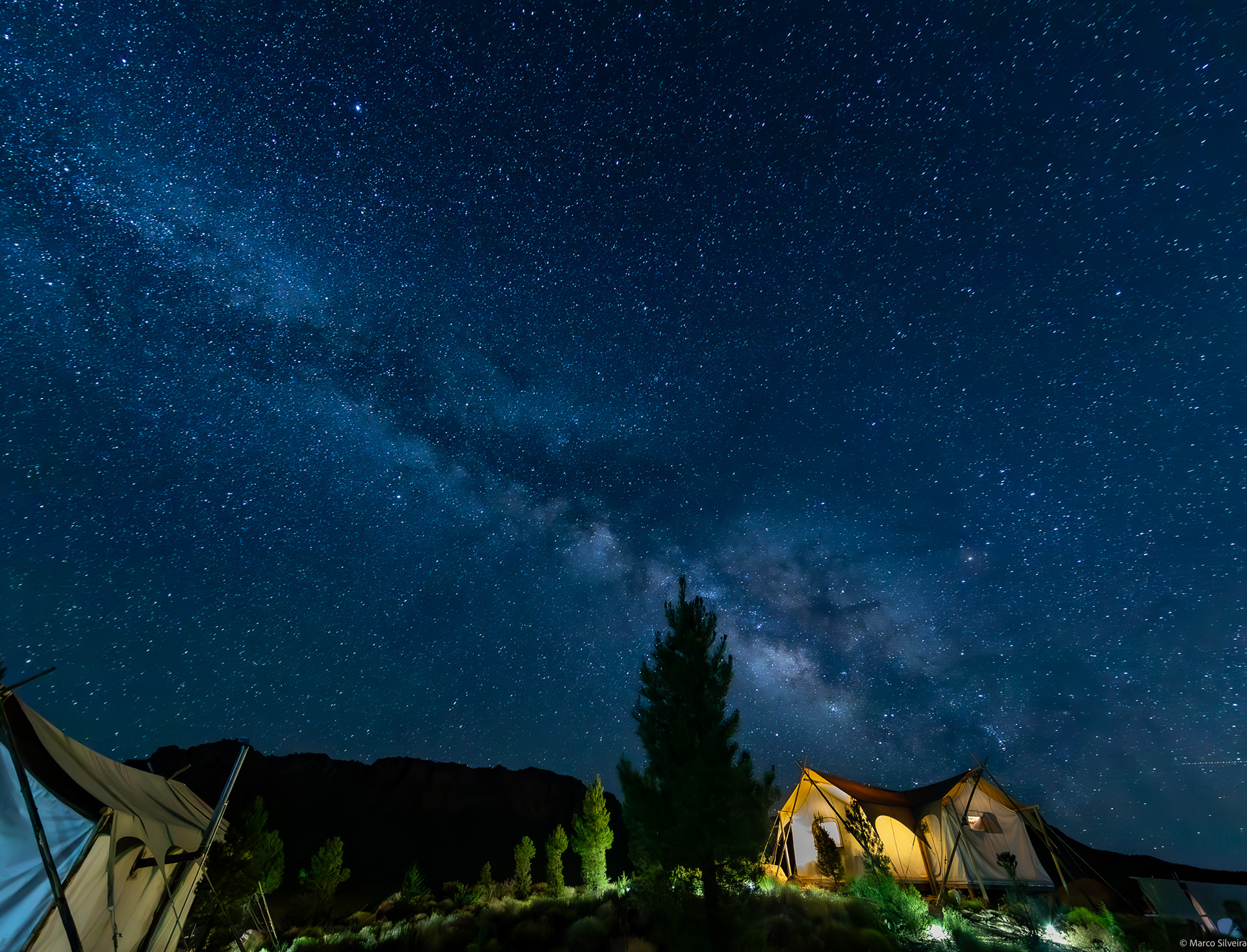
Zion guarda um tipo de silêncio que não existe em lugar nenhum. Não é ausência de som, é outra coisa, um vazio que pesa e acolhe ao mesmo tempo. Chegamos à tarde, ainda com luz, sem saber exatamente o que a noite reservava. Quando o sol foi embora atrás das formações de pedra, o céu começou a se revelar devagar, primeiro algumas estrelas, depois um aglomerado, depois a Via Láctea inteira, como se o universo estivesse só esperando a plateia se acomodar.
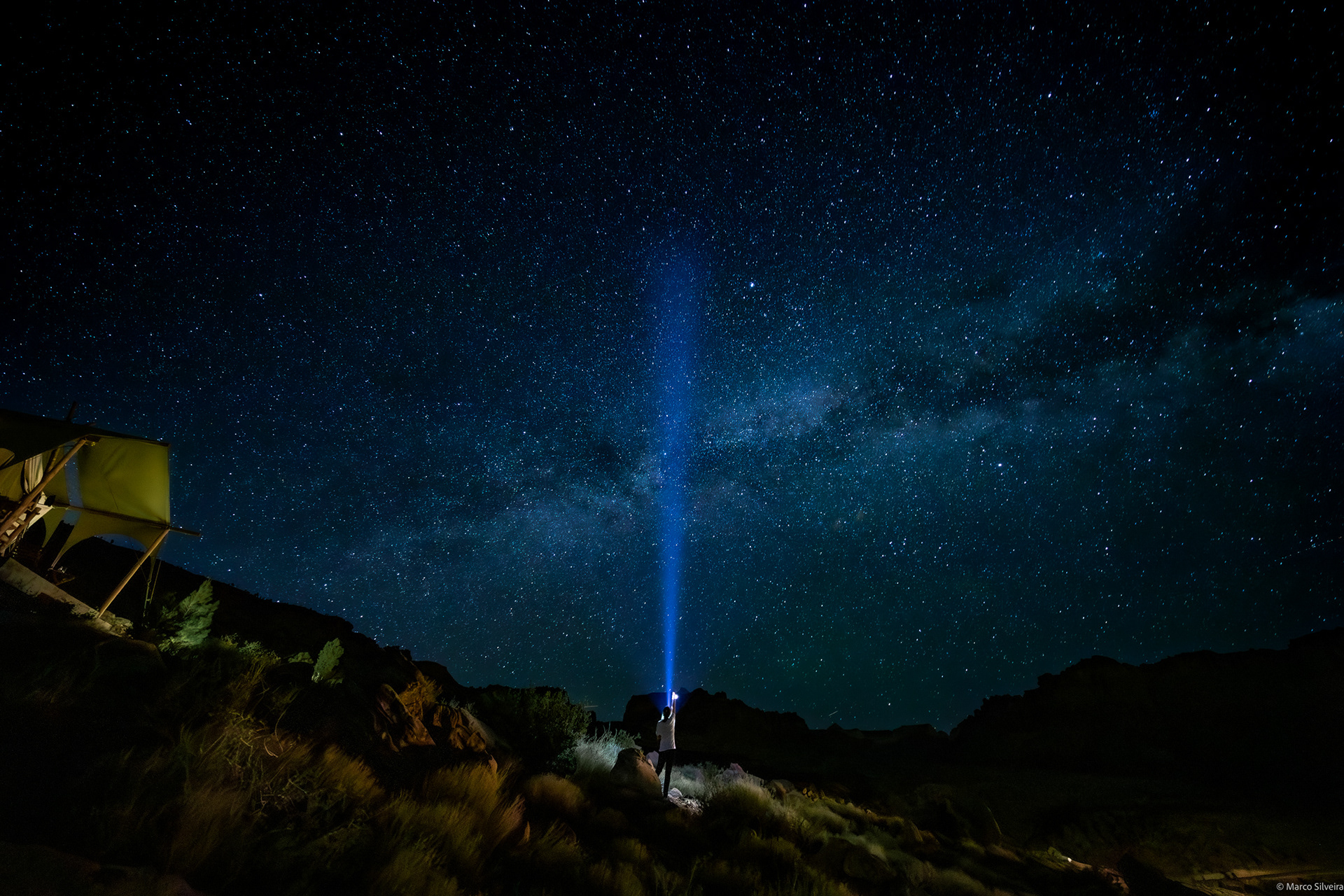
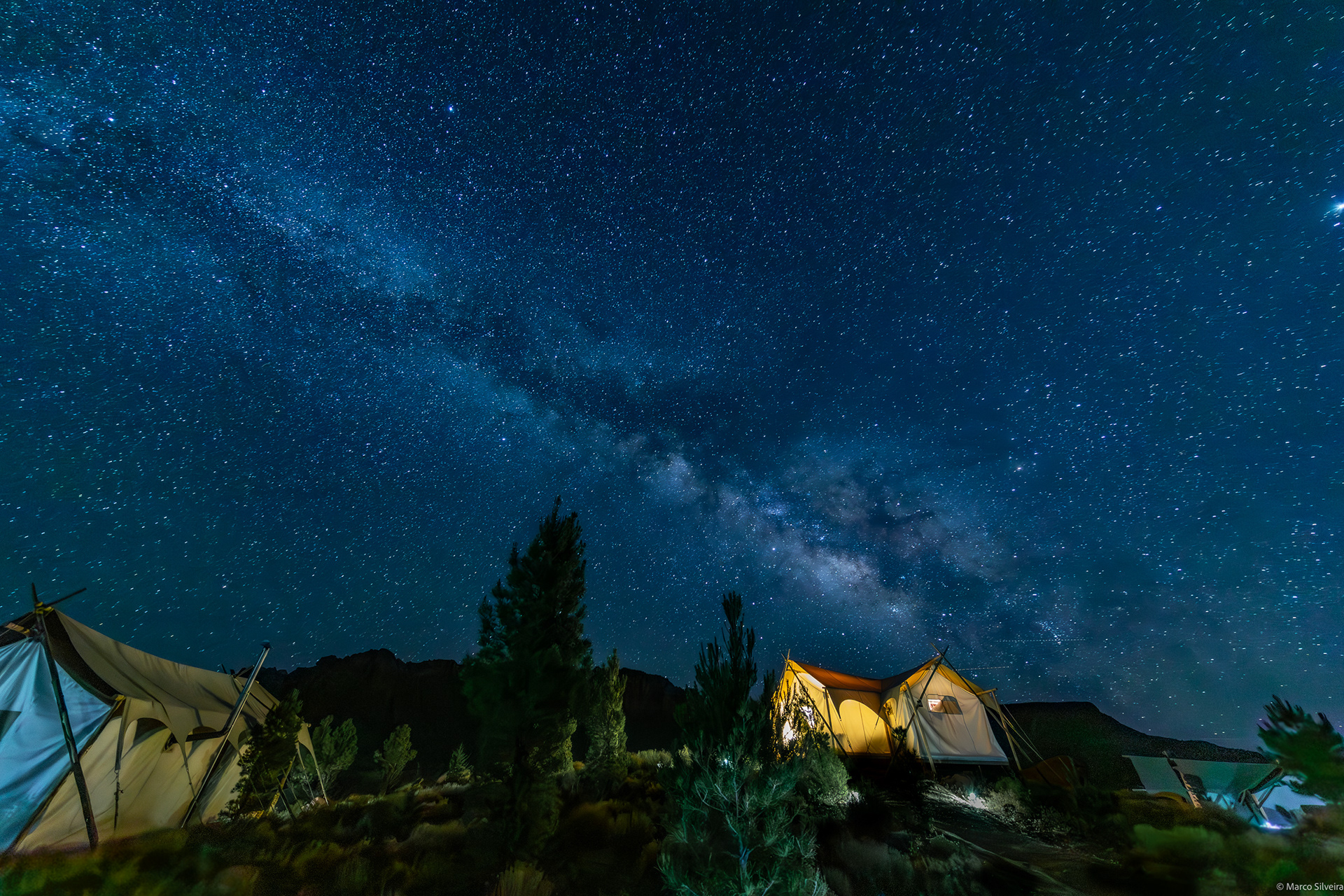
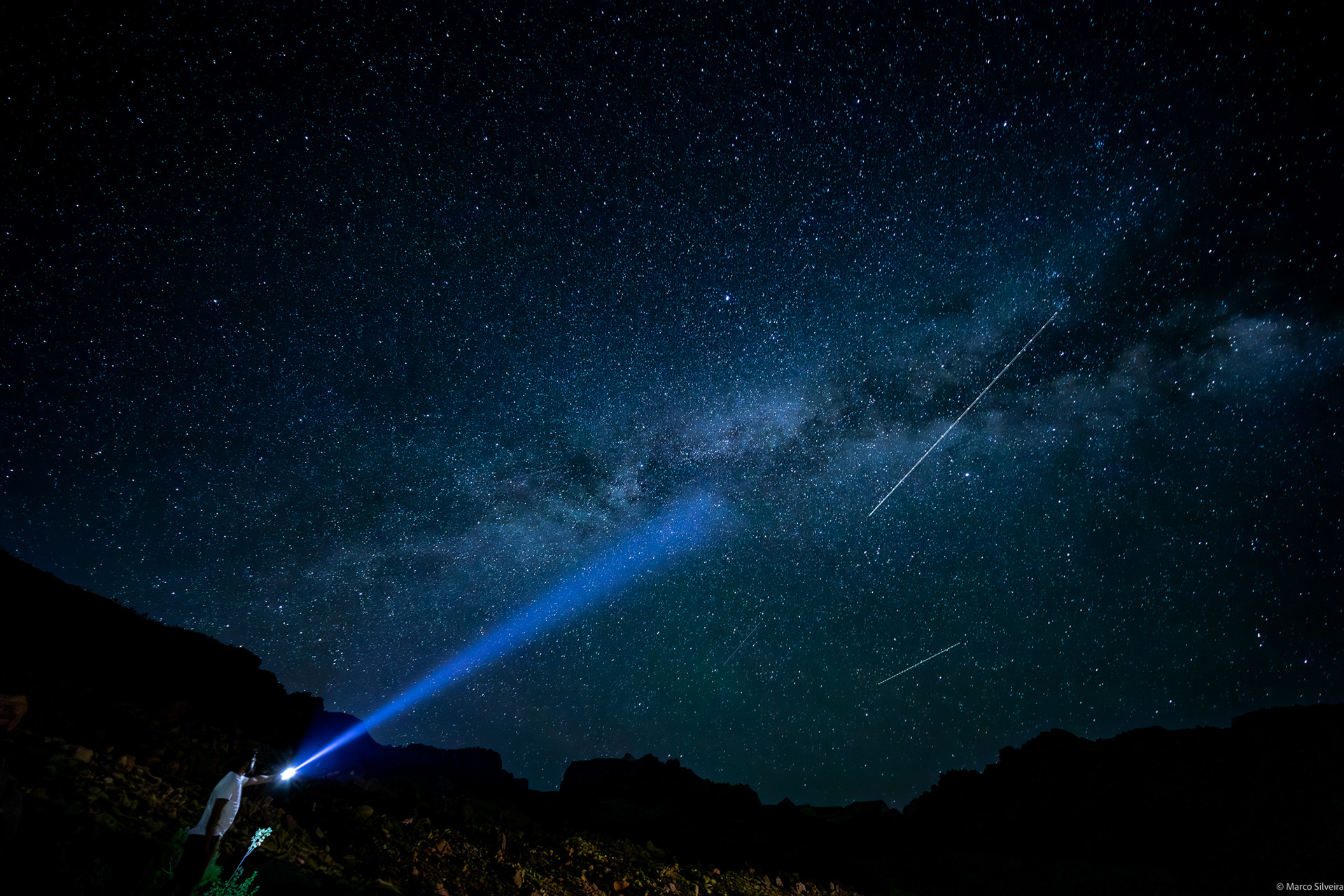
Passamos a noite ali, Flavinha e eu, alternando entre o calor da tenda e o frio cortante do lado de fora, onde as câmeras trabalhavam em exposições de trinta segundos enquanto nós só observávamos. Em um momento, Flavinha pegou a lanterna e apontou o feixe verticalmente para o céu, criando essa coluna de luz que corta a Via Láctea como se fosse possível tocar as estrelas, ou pelo menos sinalizar pra elas que estávamos ali. Em outro, fui eu quem caminhei até um ponto mais distante, tripé já posicionado, disparo remoto na mão, e apontei a luz na diagonal, criando essa segunda composição que guarda, sem querer, dois rastros de avião cruzando o céu, um lembrete de que mesmo no meio do deserto, sob a escuridão mais densa, o mundo continua em movimento ao redor.
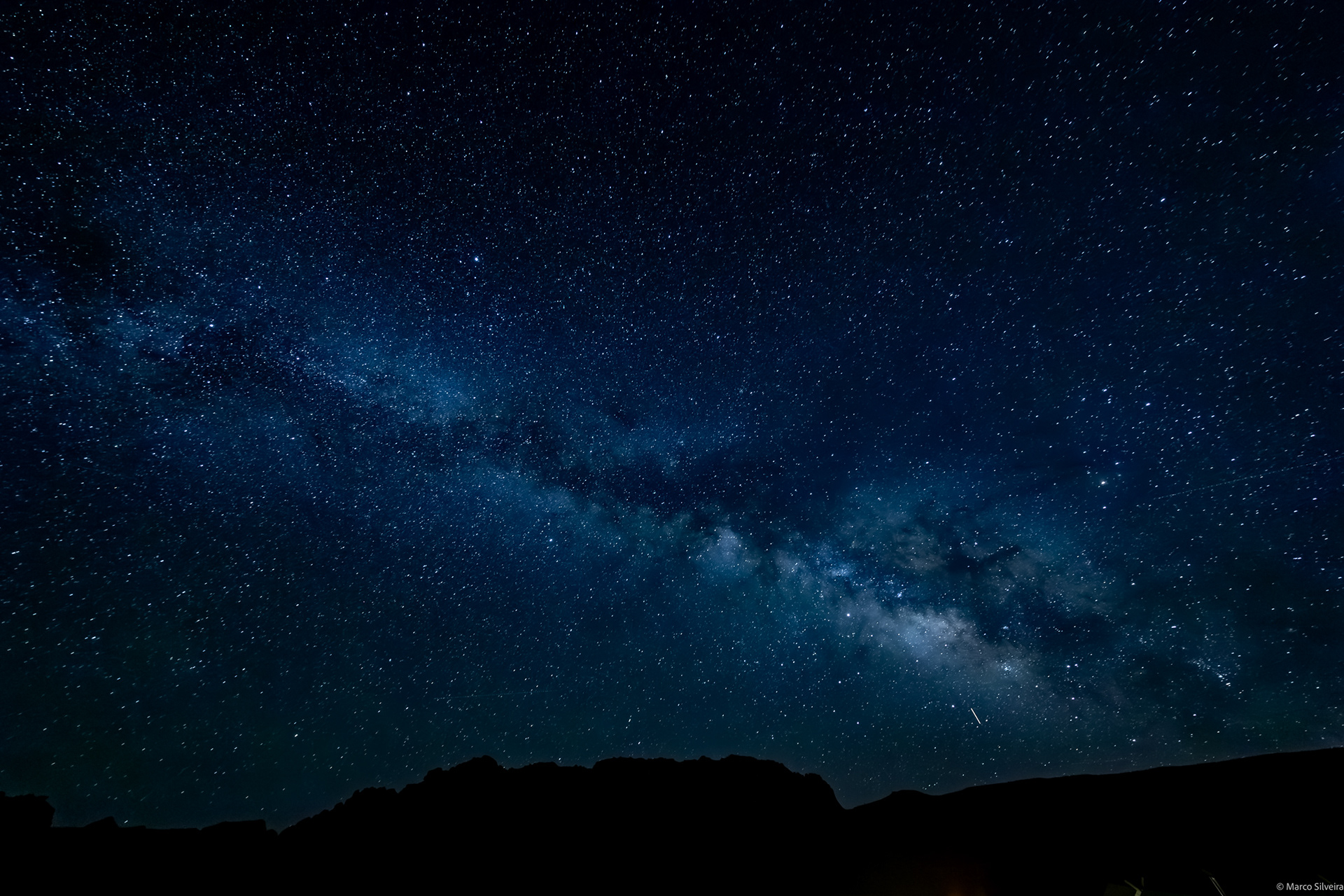
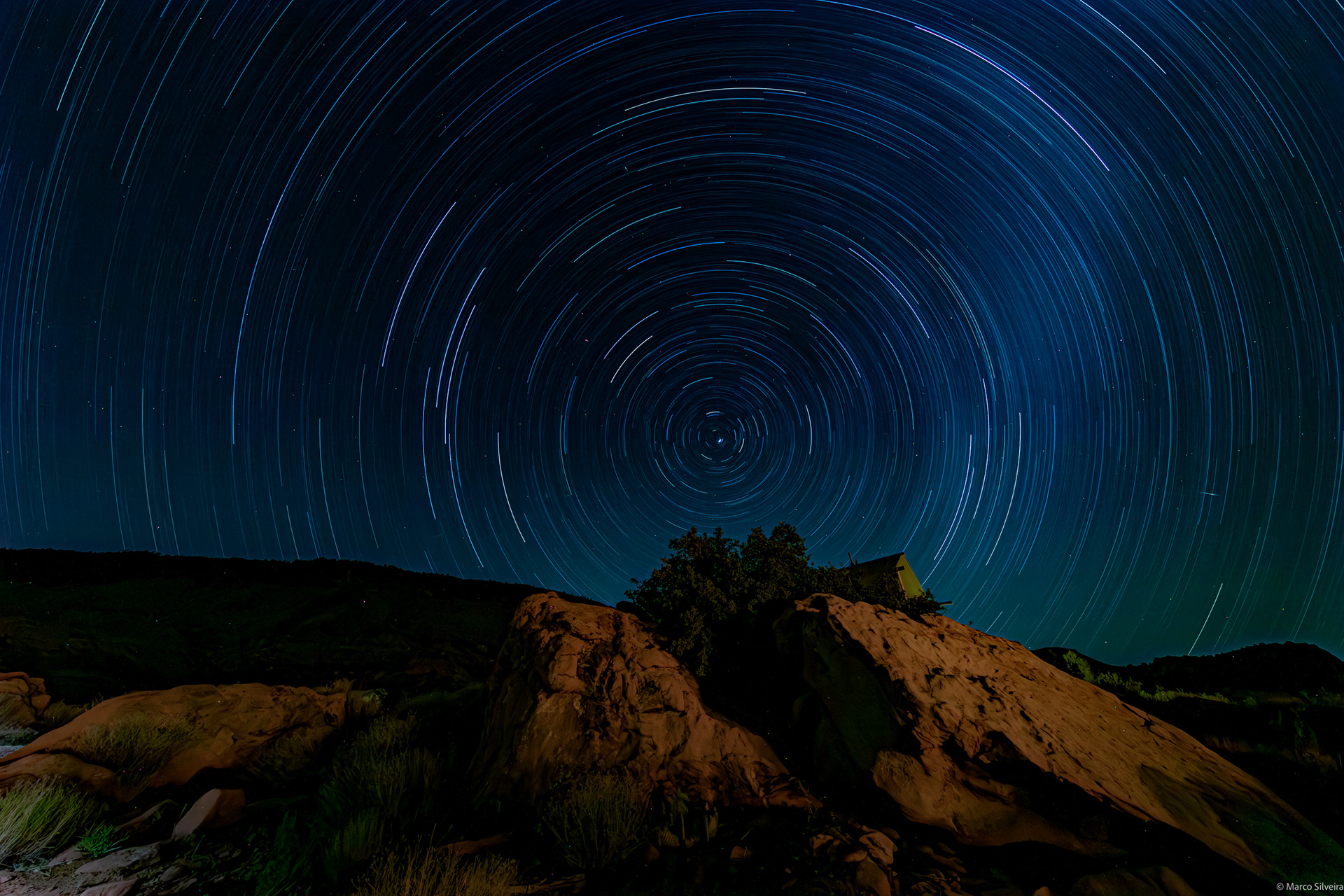
Zion: Under Canvas, Under Stars é isso. É a sensação de estar protegido por uma lona fina e ao mesmo tempo completamente exposto à imensidão. É a Via Láctea como protagonista solitária em uma das fotos, com a montanha servindo apenas de moldura mínima, quase um lembrete de escala. É o star trail girando silenciosamente ao redor de Polaris enquanto dormíamos, ou tentávamos. Foi uma noite sob duas coberturas, a lona da tenda e o teto do universo, e as duas, de formas diferentes, nos protegeram.
--en--
Zion holds a kind of silence that doesn't exist anywhere else. It's not the absence of sound, it's something else entirely, an emptiness that feels both heavy and welcoming. We arrived in the afternoon, still with daylight, not knowing exactly what the night had in store. When the sun disappeared behind the rock formations, the sky began revealing itself slowly, first a few stars, then a cluster, then the entire Milky Way, as if the universe had simply been waiting for the audience to settle in.
We spent the night out there, Flavinha and I, moving between the warmth of the tent and the sharp cold outside, where the cameras worked through thirty second exposures while we simply watched. At one point, Flavinha picked up the flashlight and aimed the beam straight up into the sky, creating this column of light cutting through the Milky Way, as if it were possible to touch the stars, or at least signal to them that we were there. At another, I walked further out, tripod already set, remote shutter in hand, and angled the light diagonally, creating a second composition that unintentionally captured two airplane trails crossing the frame, a quiet reminder that even in the middle of the desert, under the densest darkness, the world keeps moving around you.
Zion: Under Canvas, Under Stars is that feeling. It's the sense of being sheltered by a thin sheet of canvas while completely exposed to immensity at the same time. It's the Milky Way as the sole protagonist in one frame, the mountain reduced to a minimal frame, almost a reminder of scale. It's the star trail quietly circling Polaris while we slept, or tried to. It was a night under two ceilings, the canvas of the tent and the roof of the universe, and both, in their own way, kept us safe.